
Views: 0 Author: Zoe Lai Publish Time: 2026-05-27 Origin: Site


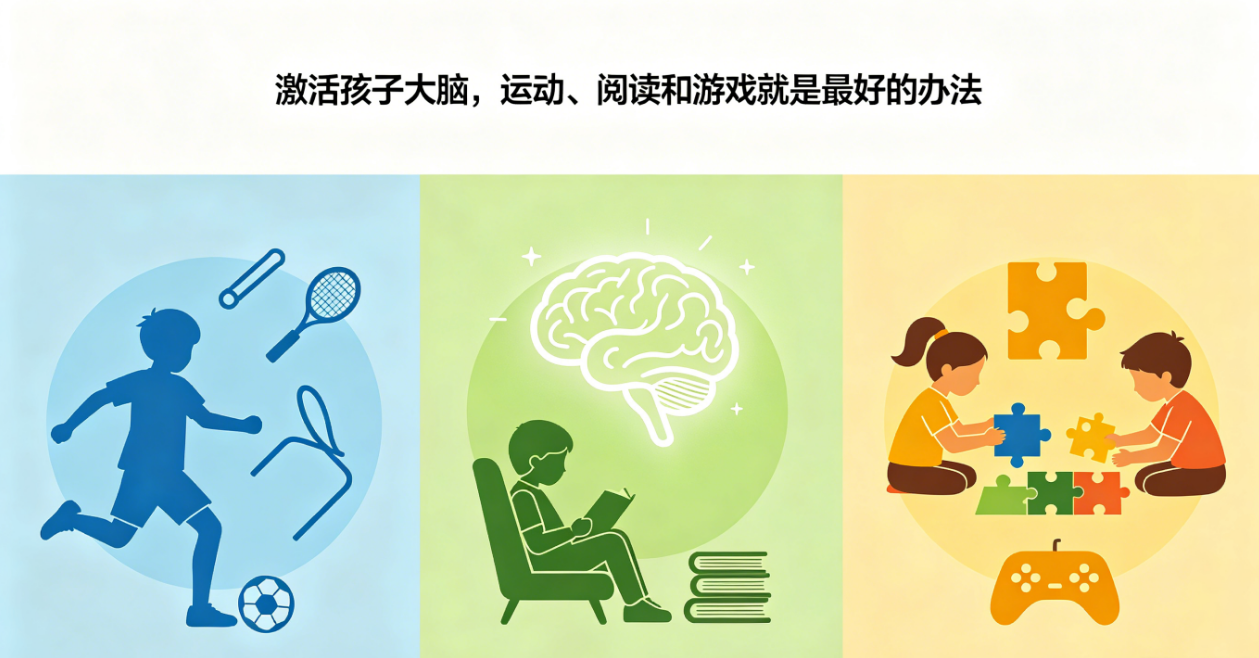
Not long ago, I came across a neuroscientist’s talk about how to activate a child‘s brain. She mentioned three very simple methods: exercise, reading, and play.
After listening, I thought — isn’t this exactly what we do at Pokiddo every day?
Today, let‘s talk about why, from a brain science perspective, exercise, play, and reading are far more beneficial for children than endless drills and rote memorization.
Many parents worry about “not letting their child fall behind at the starting line,” wanting to teach their child from the womb.
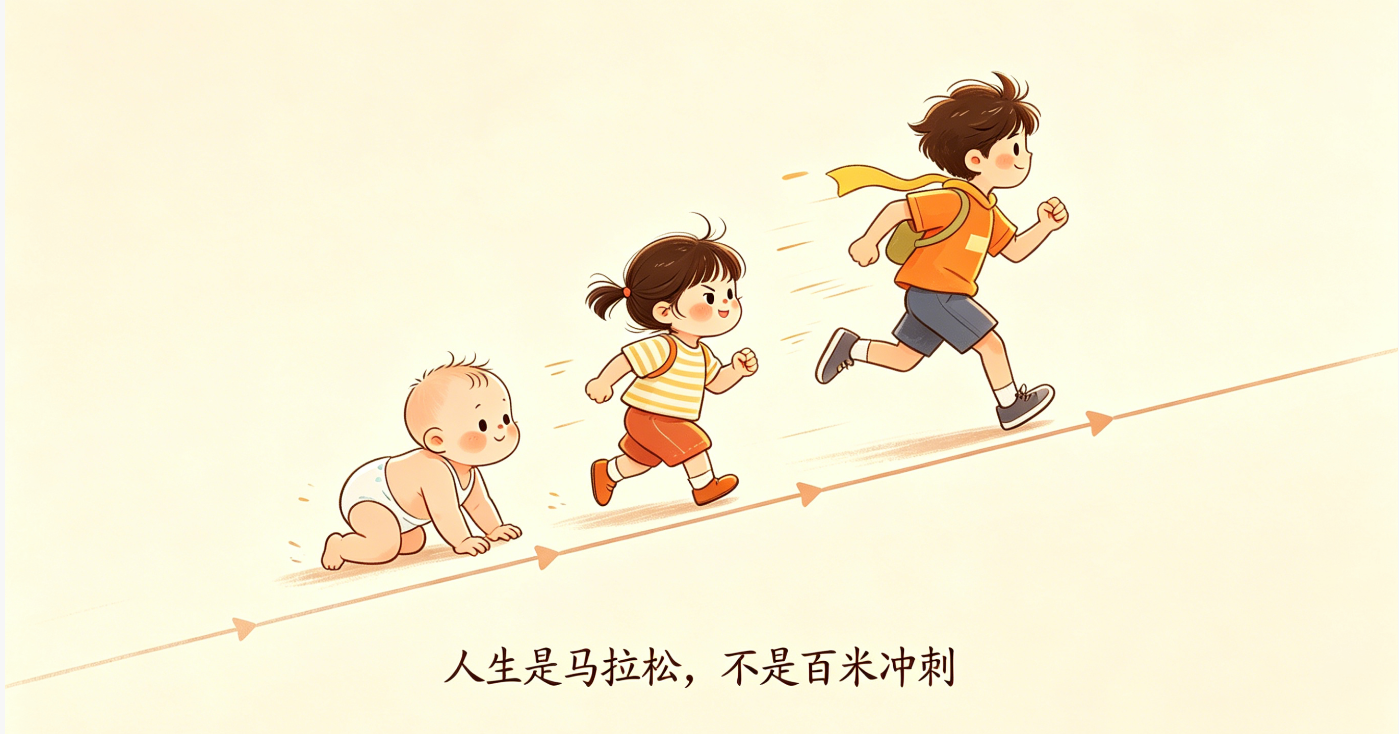
But brain science tells us: the brain has lifelong plasticity. Human nerve cells keep regenerating, and neural connections keep changing. It is not “three years old determines life,” nor “seven years old sees the future.” Life is a marathon, not a sprint.
We have seen children who were slow to speak and react at age three or four, causing their parents great anxiety. Then, when they entered elementary school, they suddenly flourished. Not because they became smarter, but because the brain reached its developmental milestone.
So, do not rush to label your child. Being a little slower today does not mean being slower forever. Successful people do not win at the starting line; they win at turning points.
Have you noticed that when a child is in a good mood, they learn anything quickly; when they are in a bad mood, no matter how you teach, nothing gets through?
This is not an illusion. Brain science has found that emotion is the fastest tool for changing the brain. Passive learning does not work; active learning does. When children want to learn and learn on their own, they learn fastest. If you force them to learn or scold them into learning, they will only become more resistant.
Our party hosts at the playground have a tip: when a child is upset, do not rush to make them “behave.” Instead, take them to jump and run for a bit, or kneel down and ask, “Are you feeling a little sad?” Once their eotions calm down, they will listen to whatever you say.
Handle the emotion first, then the problem. This order works everywhere.

Professor Hong Lan says that exercise stimulates the release of dopamine and serotonin, which are key to promoting neural connections.
In the lab, mice that exercised had a hippocampus (responsible for memory) that was 15% larger than those that did not exercise, and their neural connections were 25% more numerous. Exercise also keeps the brain young — a two-year-old mouse that exercised had a brain as young as a six-month-old mouse.
At Pokiddo, our trampolines, climbing walls, and ninja courses are not just for fun. Every jump, every climb, every balance challenge helps “fertilize” a child’s brain.
Moreover, learning efficiency is highest right after exercise. So do not say, “Finish your homework first before you play.” Let your child bounce around first, break a sweat, and they will finish their homework faster when they come back.
Exercise is a child‘s best brain food.

Many parents think “playing” is a waste of time. But brain science tells us that play is a nutrient for brain growth.
In play, children learn to cooperate with others, take turns, and handle winning and losing. Playing hide-and-seek teaches them to see things from another’s perspective. Role-playing exercises their imagination. Arguing and making up with friends builds emotional intelligence.
Children who play well have high EQ. In group games, they must learn how to get along with others — being too aggressive and no one will play with them; being too timid and others will bully them. These skills cannot be learned from books; they only grow through real interaction.
At Pokiddo, we have always said, “A life that knows how to play is a life that succeeds.” This is not an empty slogan. Play is how children understand the world, and it is also how they understand themselves.
Speaking is instinct; reading is a habit. Children are born babbling, but reading needs to be cultivated.
Reading is a good way to help children “calm down.” The eyes can read over 600 words per minute, while speaking can only produce about 200 words per minute. Reading is three times faster than speaking. The more a child reads, the richer their background knowledge, and the deeper their view of the world becomes.
We have seen many playgrounds set up a small bookshelf in the rest area with picture books. After tiring themselves out on the trampoline, children run over to flip through a few pages, and parents can take a breather. This small corner helps children develop the habit of reading.
Reading extends a child‘s intellectual development infinitely.
Exercise, play, and reading — these three things are not difficult to do. What is difficult is for parents to let go of anxiety and spend time accompanying their children.
Pokiddo’s mission is to “empower children with more vitality.” This “vitality” means not only physical energy, but also an active brain and a heart full of light.
Take your child out to run and jump often. Play with them and read with them. Do not stare only at their test scores. Do not always compare them with others.
Every child has their own rhythm. What we can do is provide a safe, loving environment filled with exercise, play, and books.
Leave the rest to time.
Pokiddo
Helping cross-industry indoor playground investors build with confidence and earn steadily.

