Views: 0 Author: Site Editor Publish Time: 2026-11-17 Origin: Site


More investors are moving into indoor play than at any point in the past decade: restaurant and retail operators looking for a second revenue engine, young entrepreneurs betting on the family economy, and landlords sitting on space they cannot lease.
Almost every first conversation begins the same way. How much is this equipment? Or: Can you send me a rendering?
After visiting several hundred venues — and helping more than a few out of near-closure — we have to say it plainly: opening an indoor playground is not a matter of buying equipment and finding somewhere to put it. It is a capital-intensive investment, and most of it is decided before anything is installed.
If this is your first park, work through these five steps before you spend money on any of them.
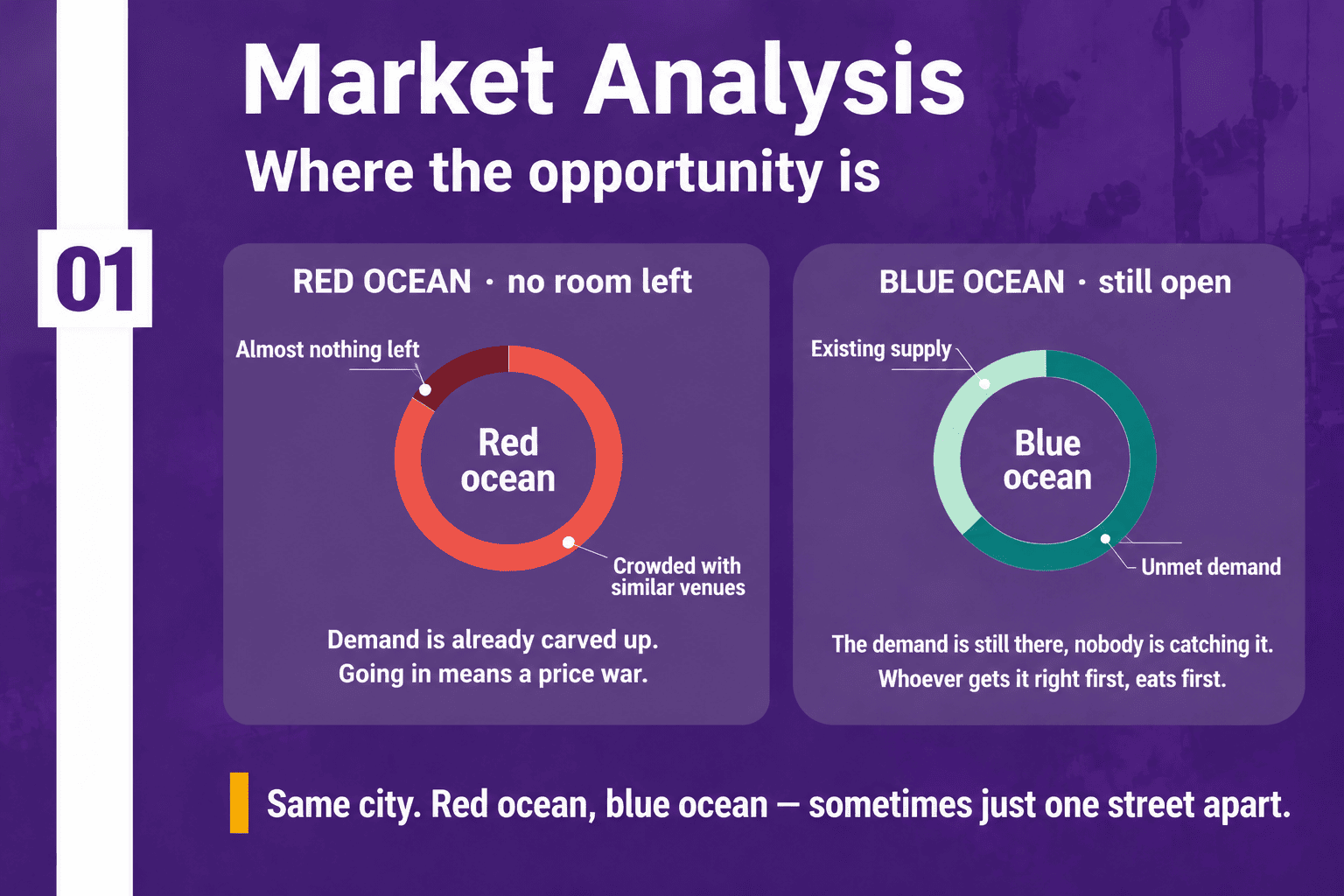
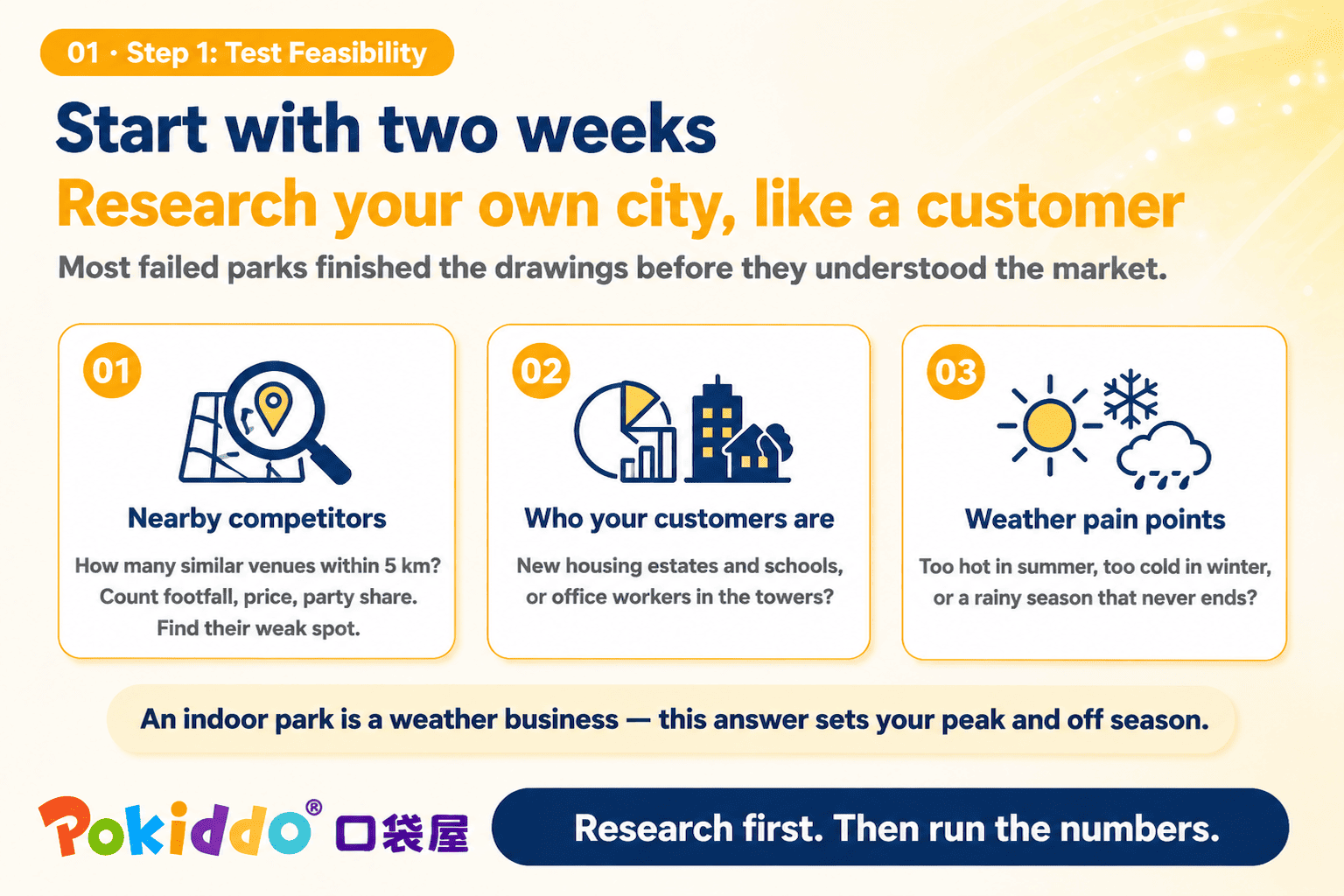
Most failed parks had a finished drawing before anyone understood the local market.
Before you contact a supplier, spend two weeks in your own city as a customer.
Competitors. How many indoor playgrounds sit within a five-kilometre radius? Visit them. Count footfall at peak hours, check ticket prices and how much of revenue comes from birthday parties — then look for the weakness. Poor cleanliness, loose service, no secondary spend at all. That gap is your opening.
Audience. Are you surrounded by new residential developments and schools, or by office towers? The answer sets your weekday pattern, not just your weekend one.
Weather. Hot summers, cold winters, a long rainy season. Indoor play is, at heart, a weather business. This single answer determines how sharp your high and low seasons will be.
Only then do the arithmetic. Three numbers matter.
One: total investment.Equipment, fit-out, deposit, launch marketing — and working capital for the first months of trading. Plenty of new parks fail not because nobody came, but because every dollar went into hardware and there was nothing left to survive the ramp-up.
Two: the rent ceiling. Work backwards from the sales per square metre you can realistically achieve. Sign the rent first and hope to grow into it, and the lease will end up running the business.
Three: payback. Two different numbers get confused here.
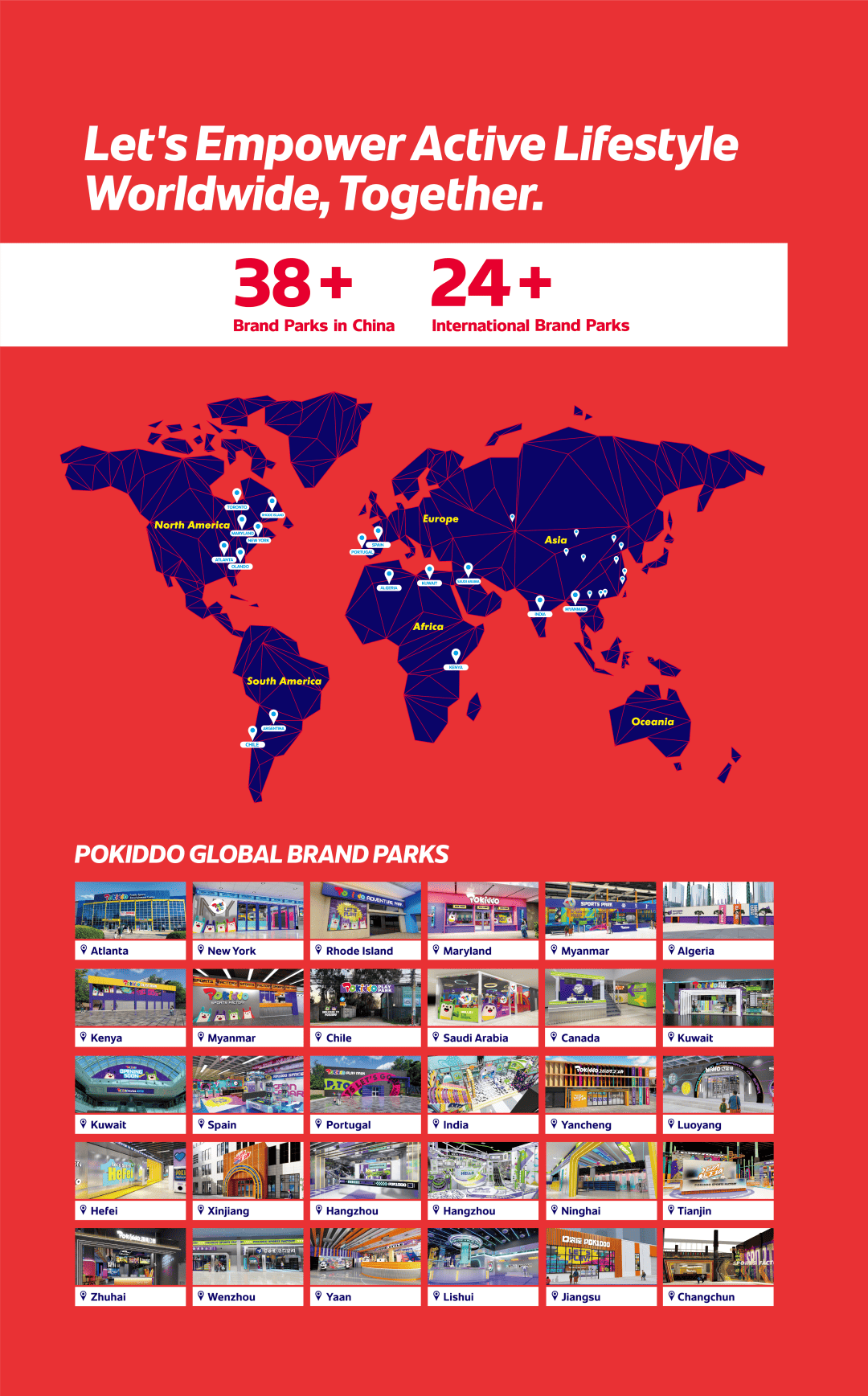
【Across more than 60 Pokiddo brand stores worldwide, over 70% recovered their initial investment within 6 to 18 months.】
Our benchmark for a healthy project is deliberately more conservative: a park that pays back in two to three years is already a good business. Payback speed depends on city tier, rent level, pricing structure and the quality of the operating team. The same model in a prime city-centre mall and in a third-tier community can produce completely different outcomes.
That is why we never promise a payback period. And if a supplier offers you "three months, guaranteed", treat the sentence itself as a warning sign.
If you are unsure, send us the city, the floor area and the budget for an initial review. We have a habit: if the numbers say the site cannot work, we say so and walk away. Pokiddo is looking for long-term partners — we do not earn from projects that are designed to fail.
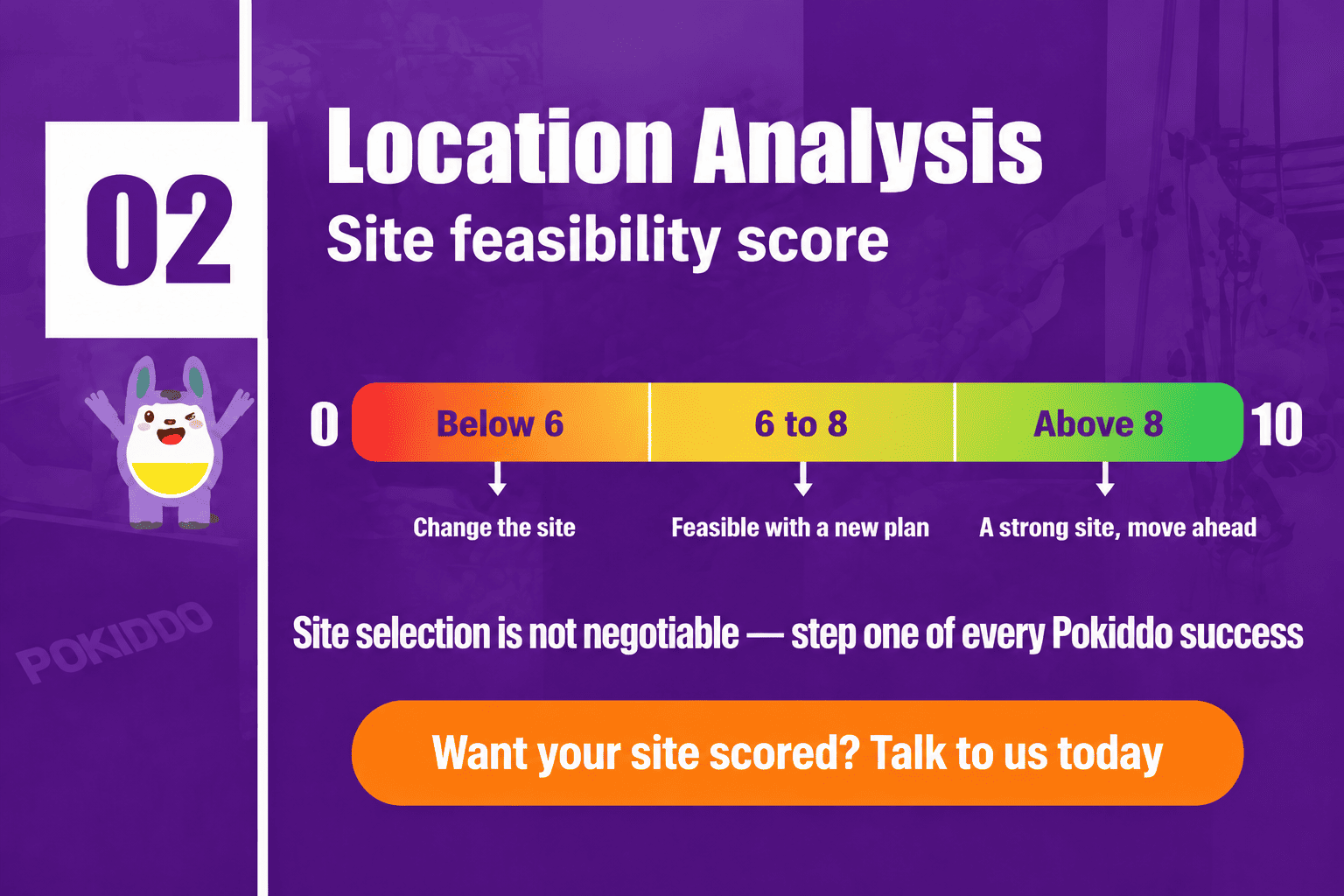
Once feasibility holds up, start looking. Whether a location is good is not a matter of opinion; it is a matter of data.
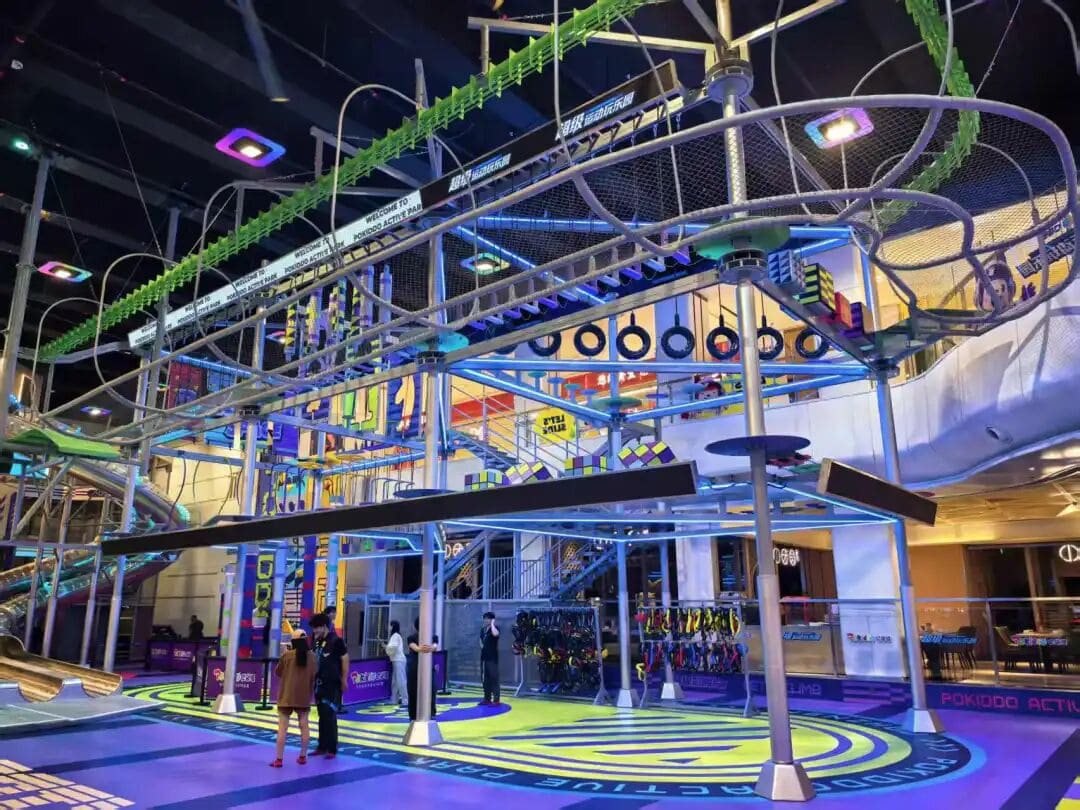
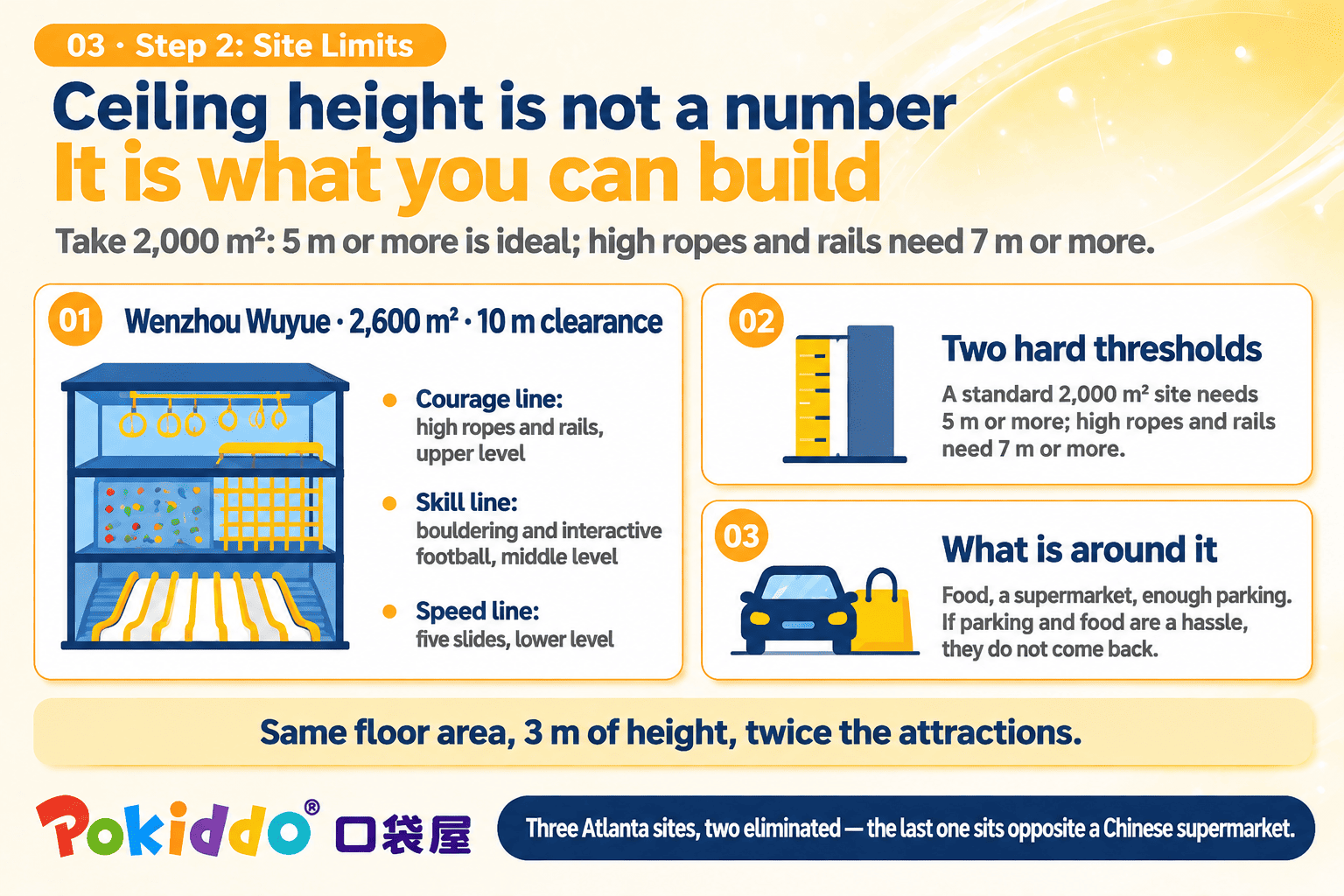
1.Size and clear height.For a 2,000 sqm (21,500 sq ft) park, aim for at least 5 m of clear height. If you want high ropes and rail slides, you need 7 m.
Height is not a number on a drawing — it is a product mix. At Pokiddo Wuyue in Wenzhou, 2,600 sqm (28,000 sq ft) under a 10 m void made three distinct zones possible: a courage line of high ropes and rail slides above, a skill line of bouldering and interactive football in the middle, and a speed line of five slides below. Take three metres away and the attraction count halves.
2.Surrounding amenities. F&B, a supermarket, enough parking. If parking is a nightmare and dinner is a hike, the second visit never happens.
If you have shortlisted sites, our team can survey them on the ground or run a data comparison. Our Atlanta client had three options; we reviewed all three, eliminated two, and anchored the park opposite a Chinese supermarket. The result: 60,000 sq ft, 4,900 sqm of equipment area and ten party rooms — and more than 1,900 members within the first three months.
First-time operators usually feel powerless in front of a landlord. But a mall needs family traffic that stays for two hours, not only rent.
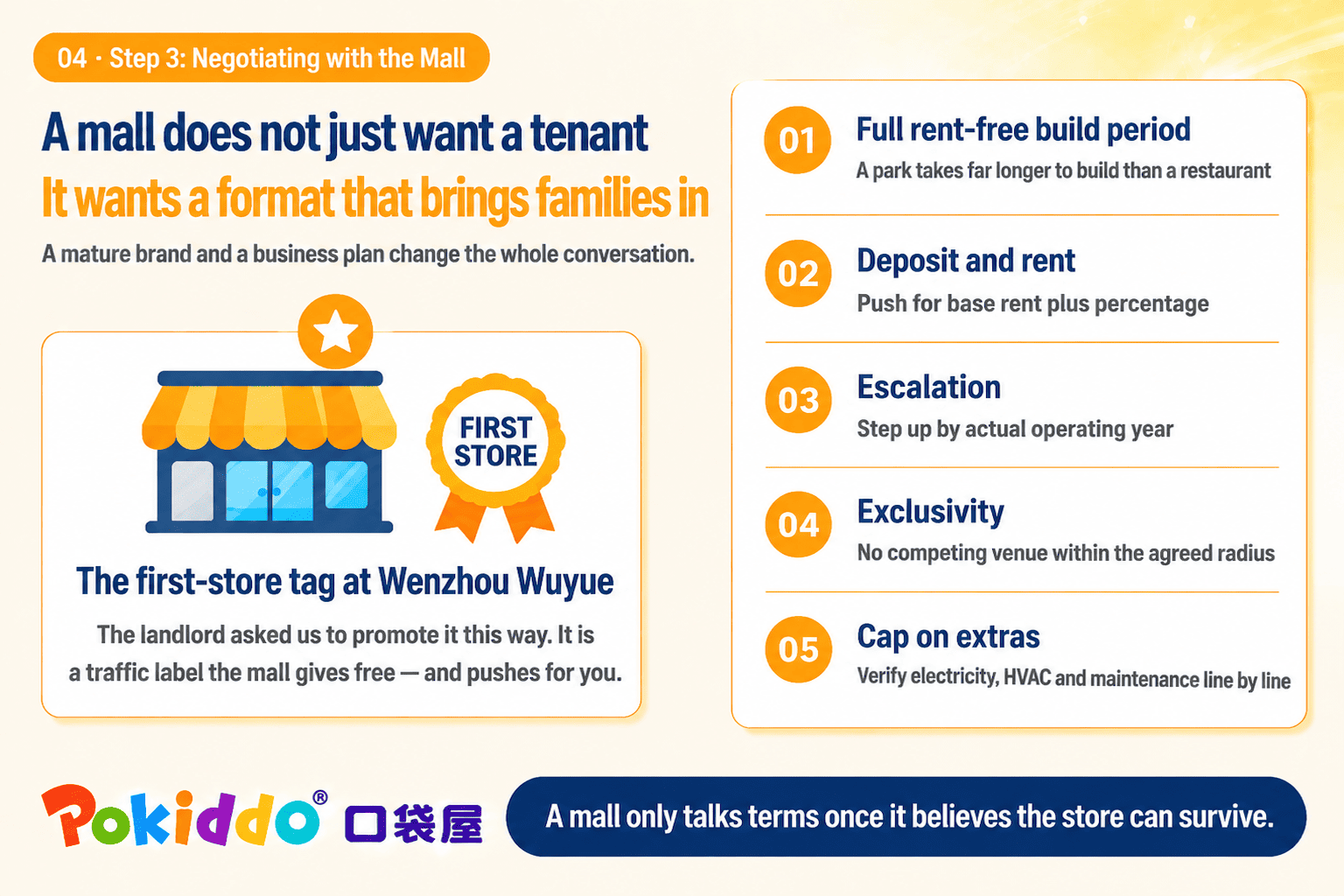
With a credible brand and a business plan, the conversation changes. Terms worth fighting for:
A rent-free period long enough for the real build. Custom manufacturing, sea freight and on-site installation take far longer than a restaurant fit-out.
Deposit and rent structure. Push for base rent plus a turnover percentage, so the first year is survivable.
Escalation by trading year, not by calendar year.
An exclusivity radius that keeps a direct competitor out of the same mall.
A service-charge cap. Electricity, heating and cooling, property maintenance — verify each line. Hidden charges erode margin quietly.
One more thing, which most guides leave out: the direction of this conversation is changing.
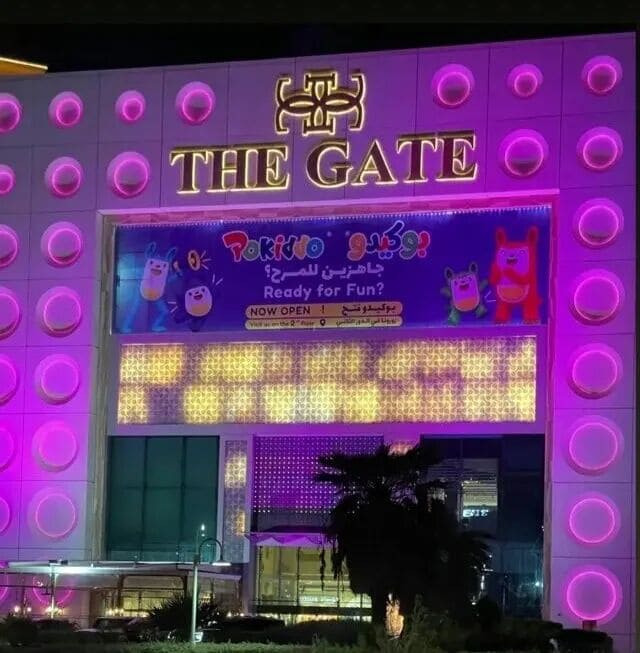
Landlords now approach us. In China, mall groups such as Wuyue Plaza; internationally, Cushman & Wakefield, the global real estate services and leasing advisory firm, is in discussion with us, and two chain mall owners in the Middle East have recently made contact.
The reason is straightforward. To a landlord, a playground brand is not simply a tenant. It is weekend family traffic. It is the reason an F&B, retail or education operator signs the unit next door. It is what a leasing team can point to when describing the mall's anchor offer.
At Wenzhou Wuyue, the landlord later asked us to lead with one phrase in all promotion: the city's first Pokiddo super sports play park. A "first store" tag is something a mall rarely hands out for free — and when it does, it also promotes the store on your behalf.
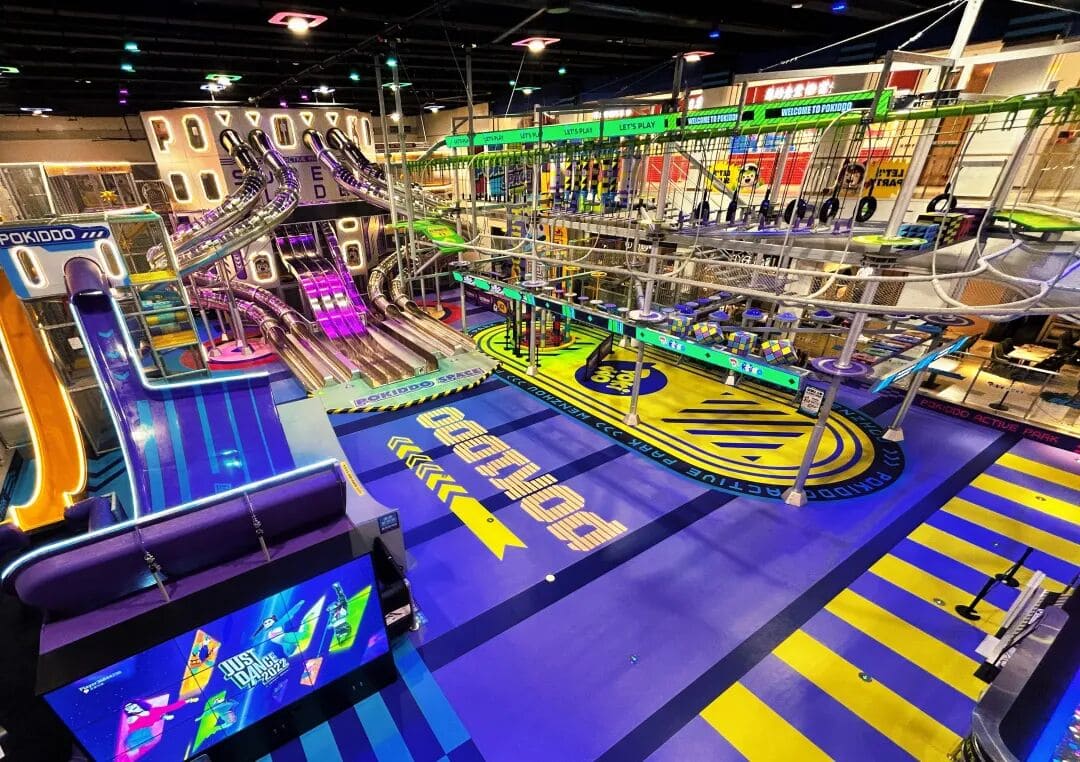
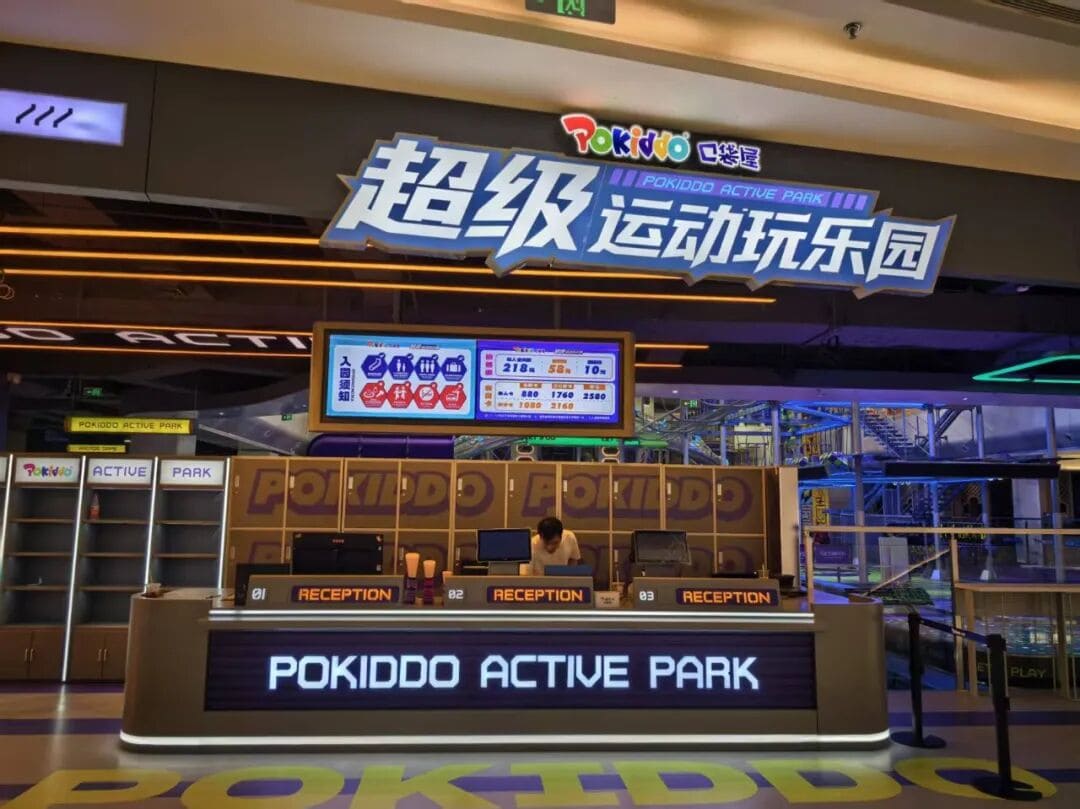
The market is crowded. For the same 1,000 sqm, quotes range from 1,000 to 2,000 per square metre, and every supplier claims to be the factory.
A restaurant tastes the food before it signs the chef. For a playground, you test the play.
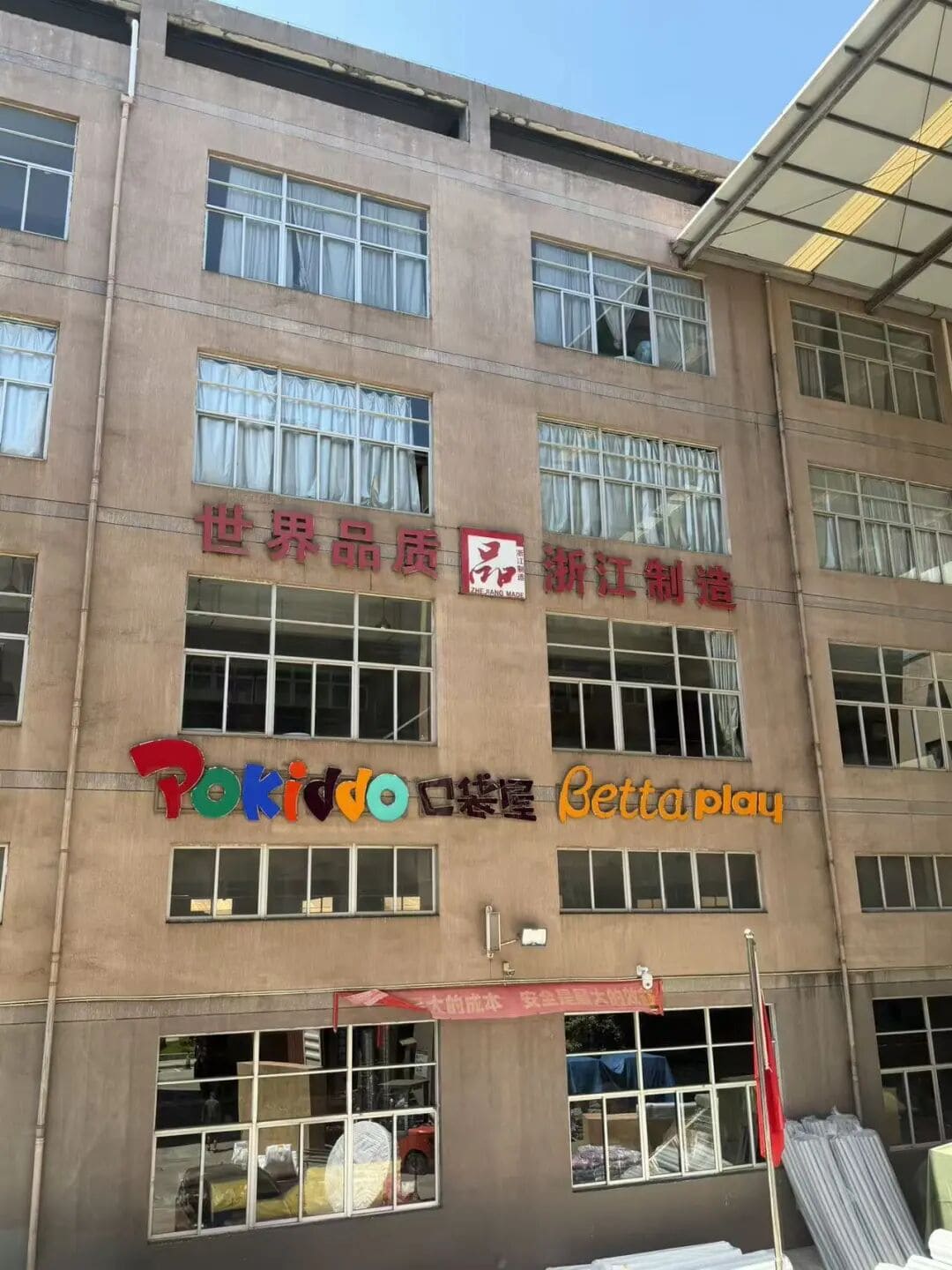
1.Visit the factory.Skip the showroom. Walk the production line. Look at steel wall thickness, at rust protection, at the detail of semi-finished parts. Showrooms are staged; lines are not.
2.Visit parks that are already running. Real ones, two or three years old. How is the equipment holding up? What does footfall look like? Is maintenance keeping pace? If the supplier has projects in Europe or North America, ask the questions that separate a factory from an exporter:
Do you have completed projects in markets that require EN or ASTM compliance?
Do you hold local third-party certification and licences for those projects?
Can we speak to those owners? Are they satisfied?
Who supports maintenance after opening?
Four questions, and most suppliers will fall silent on the third.
3.Ask about pre-assembly. Does the entire park get built, numbered and dismantled at the factory before shipping? Few will do it — it is expensive in labour, and that is precisely the point.
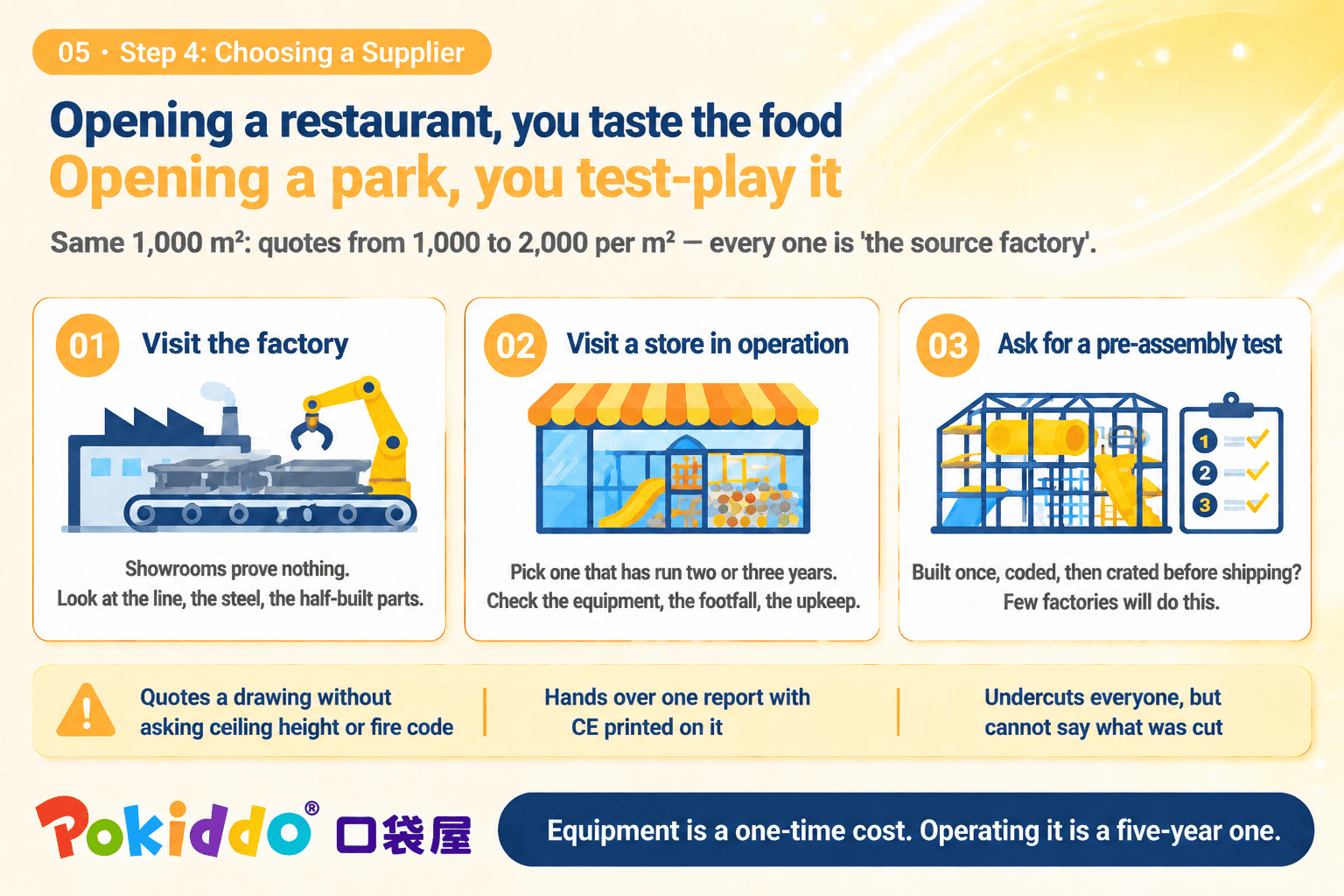
Three red flags deserve particular attention:
A drawing promised before anyone has asked about your clear height or fire egress.
A showroom that cannot answer questions about steel wall thickness or anti-rust treatment — or cites overseas parks with incident records, or cannot show a licence, or offers "a CE report" and adds that certification can be "arranged".
A price far below market that cannot explain what was cut: foam density, steel gauge, or both.
One principle is worth stating clearly: equipment is a one-time cost; operations is a five-year cost.
We have met many investors who chose the cheaper supplier on their first purchase. The saving usually comes back in one of five ways:
Goods held at customs because certification was missing, generating demurrage that has nothing to do with the equipment itself.
No installation supervision, so the build drags on for weeks with the owner on site.
Safety incidents, followed by reviews, rising insurance premiums, and in the worst cases closure and litigation.
Maintenance frequency so high that it permanently consumes the operating team.
Guests who simply stop coming because the park is no longer fun. They do not complain. They disappear.
None of this appears on the equipment quotation. The real cost can run to months of closure.
Once the contract is signed, manufacturing and shipping begin — and this is where first-time buyers lose money without noticing.
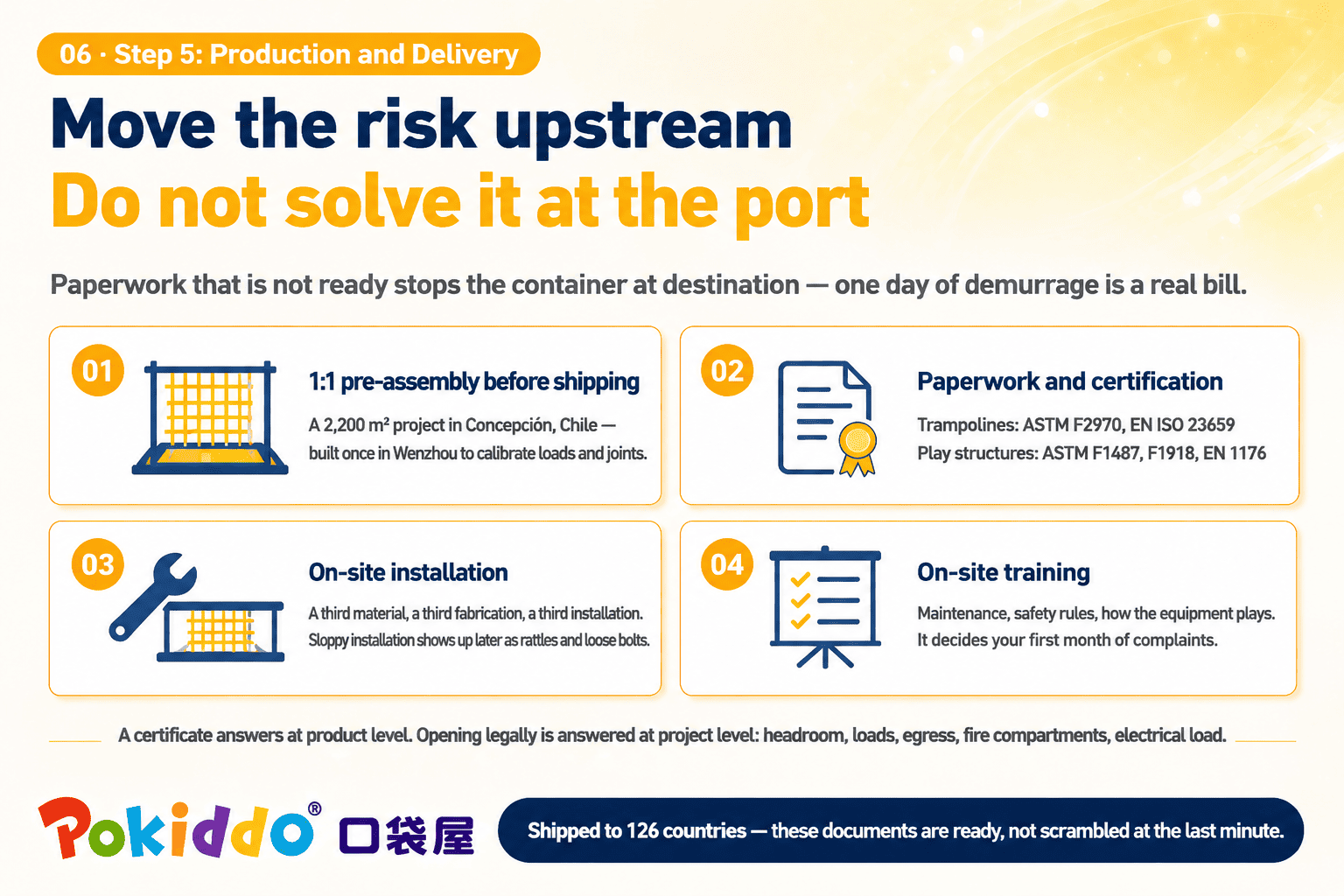
If a supplier lacks export qualifications, or the paperwork is incomplete, the container can be held at the destination port. Demurrage accrues daily. We have seen a single shipment incur US$7,000–8,000 in charges that had nothing to do with the equipment and everything to do with documents.
Pokiddo moves that risk forward.
1:1 pre-assembly before shipment.For the 2,200 sqm Concepción project in Chile, we built the core functional zones at full scale in our Wenzhou factory, calibrated load-bearing structure and every connection point, then numbered the parts, dismantled and packed them. The site itself — a former corporate vehicle workshop with a regular structure, 7–8 m clear height and existing fire provisions — helped the installation move unusually smoothly.
Documentation and certification. For trampoline systems: ASTM F2970 and EN ISO 23659. For indoor play structures: ASTM F1487, F1918 and EN 1176, supported by TÜV, SGS and CE documentation. We have exported to 126 countries and operate more than 60 Pokiddo brand stores; this file is prepared in advance, not assembled after a problem appears.
One caution, however: certified equipment is not a compliant project.
A certificate answers a product-level question. A licence to open answers project-level ones — clear height, floor loading, means of egress, fire compartmentation, electrical load, as-built consistency with approved drawings, fire test reports for materials. Each has to line up.
This is where we can help on site: making the documentation as complete as possible, keeping communication clean, and reducing the time lost to resubmission. Final approval always rests with the local authority and the third-party inspector.
Material, workmanship, installation — a third each.
Installation supervision is the most underestimated of the three. The same equipment, installed to a slightly lower standard, produces rattles, loosening and repeat call-outs for years.
Beyond signing off the installation, our engineers run basic training on site with the owner and the local operating team: how the equipment is inspected and maintained, what the safety rules are, and how each attraction is operated and played. These three things decide whether a park opens on schedule — and they largely decide how many complaints arrive in the first month.
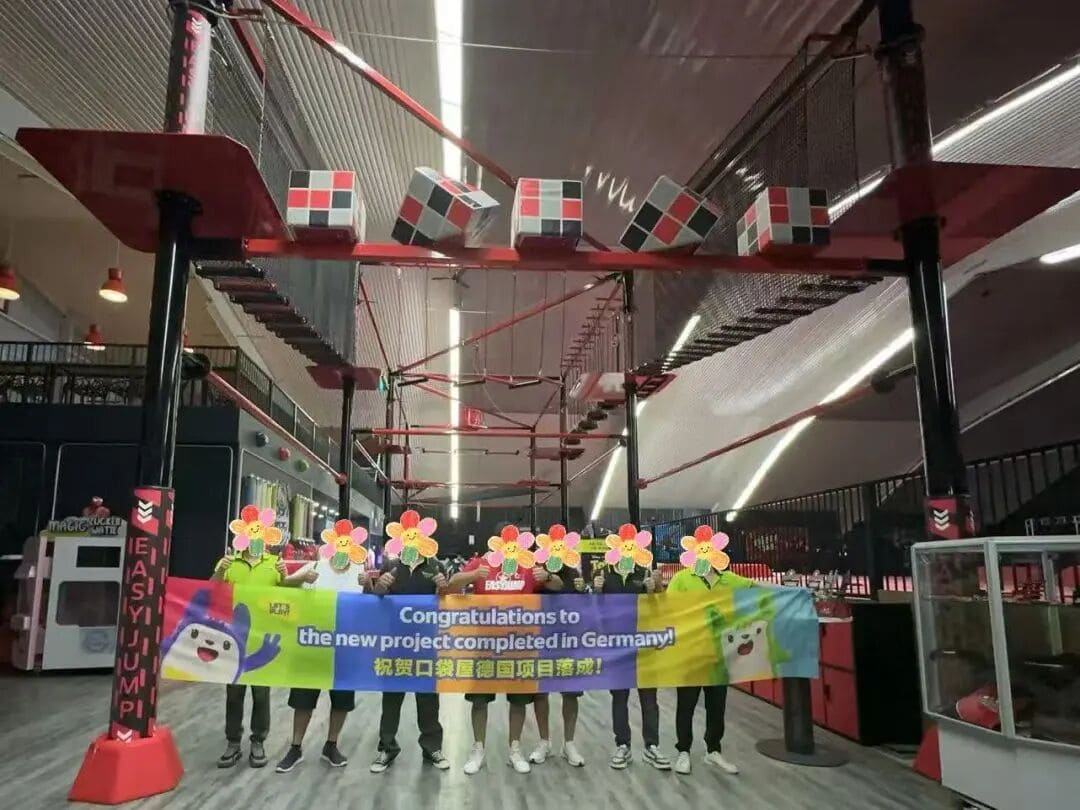
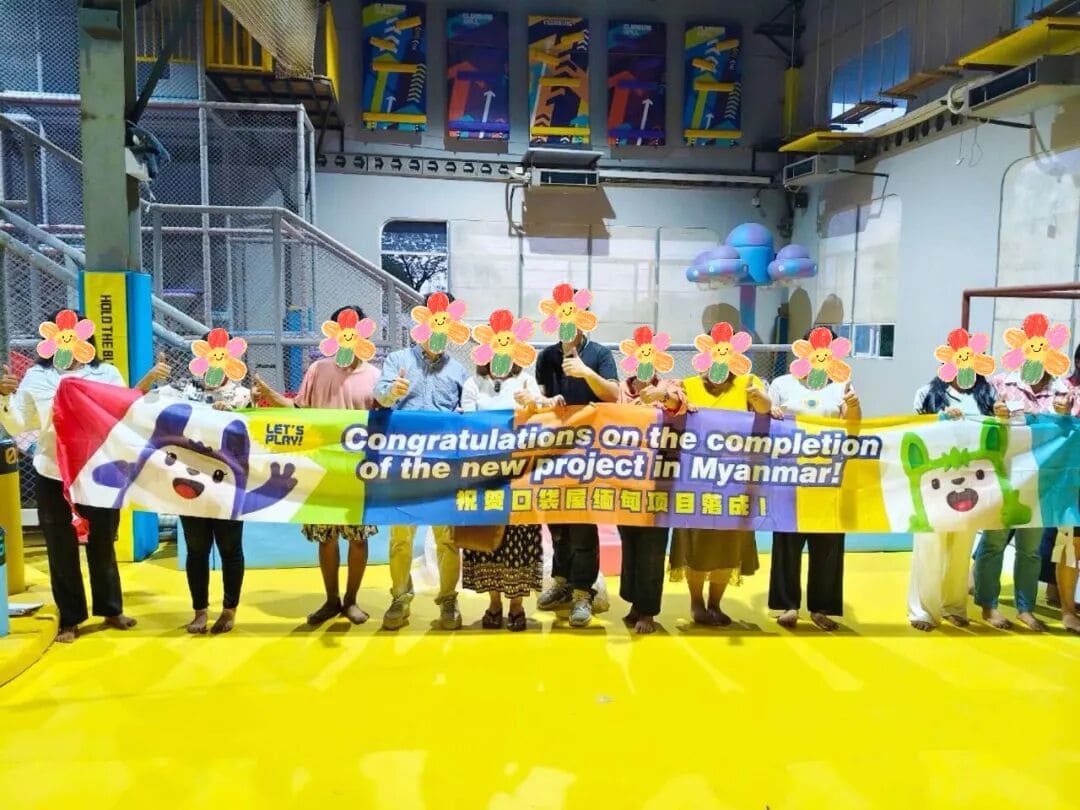
Indoor play is a business that delivers joy to thousands of families. But every step of it has to stand on commercial logic.
If you are holding a site and hesitating, or shaping your first park, bring your floor plan and your doubts. We would rather spend an hour on your numbers than sell you a container.
Katie Zhang · +86 189 6899 6888 (WhatsApp / WeChat)
Pokiddo builds and operates indoor sports and play parks. We have delivered projects in 126 countries, operate more than 60 brand stores, and manufacture in our own 29,338 sqm facility — which is why our answers about cost, layout and payback come from operations rather than from a catalogue.
Our turnkey scope covers feasibility and financial modelling, concept and 3D design, in-house production, global logistics, on-site installation supervision, operator training and long-term maintenance.
Pokiddo — we understand manufacturing, we understand operations, and we understand profit.