
Views: 0 Author: Jane Publish Time: 2025-12-13 Origin: Site


Thinking about investing in a trampoline park? The first question is always about the numbers. While the final figure depends heavily on your location, size, and vision, you need to be prepared for a significant upfront investment. For a standard, competitive facility, the total capital required typically falls between $1.2 million and $2.5 million. For larger, flagship locations or those in high-cost urban areas, this can easily exceed $3 million.
Let's break down where this money goes and what drives the cost.
This is often your largest expense. You're not just renting space; you're transforming it.
Location & Lease: Securing a large box (25,000-40,000 sq. ft.) in a high-traffic retail or entertainment district comes at a premium. Lease rates and terms vary dramatically by city and region.
Build-Out & Construction: This includes major work like installing specialized flooring, building high walls, creating party rooms, installing restrooms, and ensuring proper HVAC, lighting, and electrical systems to code. Unforeseen structural issues can add cost here.
This is your park's heart and your primary capital expenditure as a manufacturer.
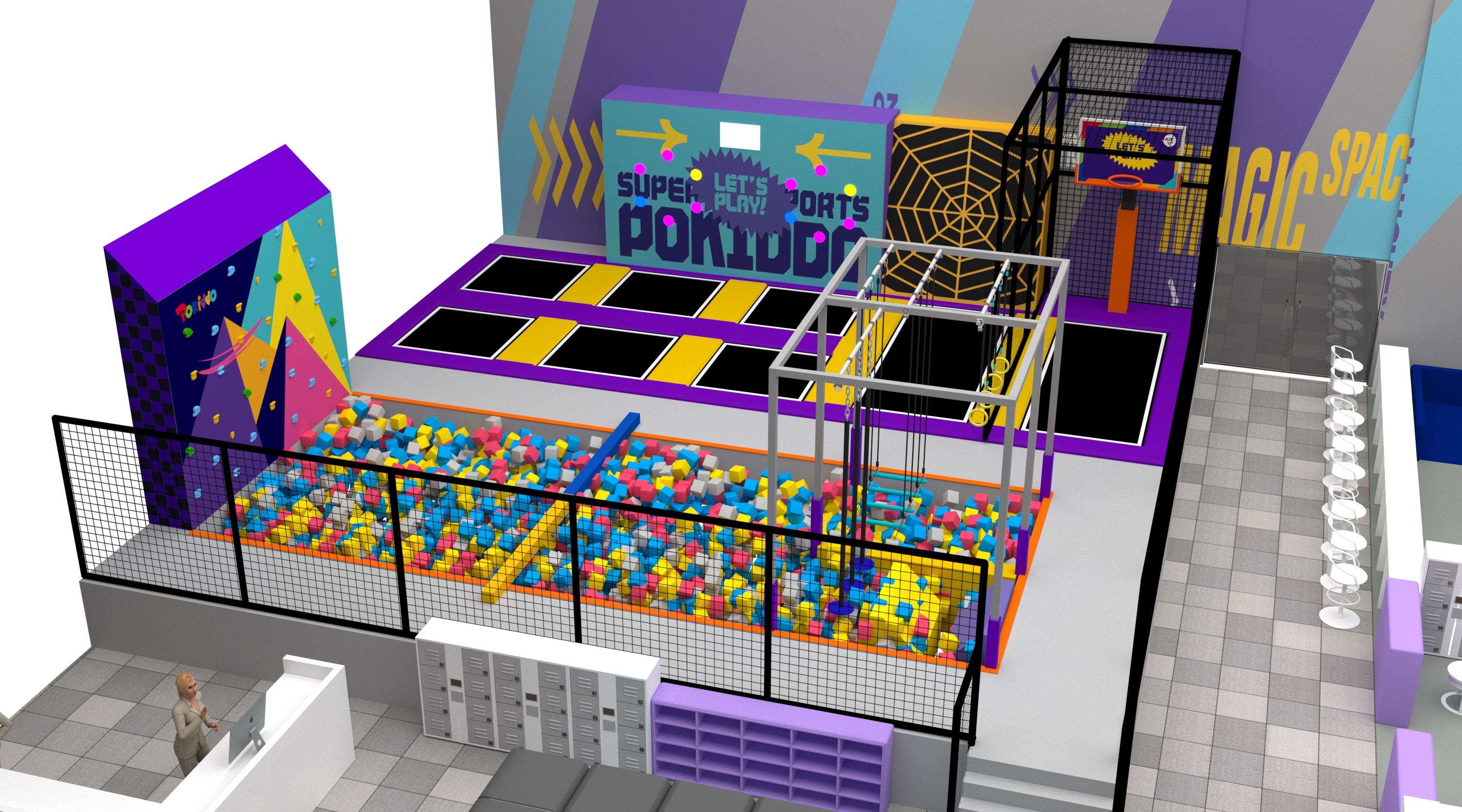
Trampoline Equipment: This isn't just the beds. It includes custom-designed courts, padded frames, safety walls, foam pits, and integrated attractions like ninja courses, climbing walls, and dodgeball setups. Quality and innovation directly impact safety and customer appeal.
Safety Surfacing & Padding: Beyond the trampolines themselves, extensive safety padding on all exposed surfaces is non-negotiable and a significant line item.
Licenses, Permits & Insurance: Liability insurance is a major, recurring cost. Legal fees for business formation, safety certifications, and building permits are substantial upfront.
Professional Fees: You'll need architects, engineers, and potentially a general contractor to execute the build-out plan.
Initial Marketing & Staff Training: Building buzz before opening requires a dedicated budget. Training your first team thoroughly on safety and operations is critical.
Size & Scale: A 20,000 sq. ft. neighborhood park costs far less than a 50,000 sq. ft. regional destination.
Location & Market: Labor and material costs in California are different than in Texas.
Level of Finish: A basic warehouse setup is cheaper than a themed, immersive experience with high-end finishes, a quality sound system, and premium lighting.
New vs. Existing Space: Retrofitting an old big-box store can be more cost-effective than building from scratch, but may come with its own challenges.
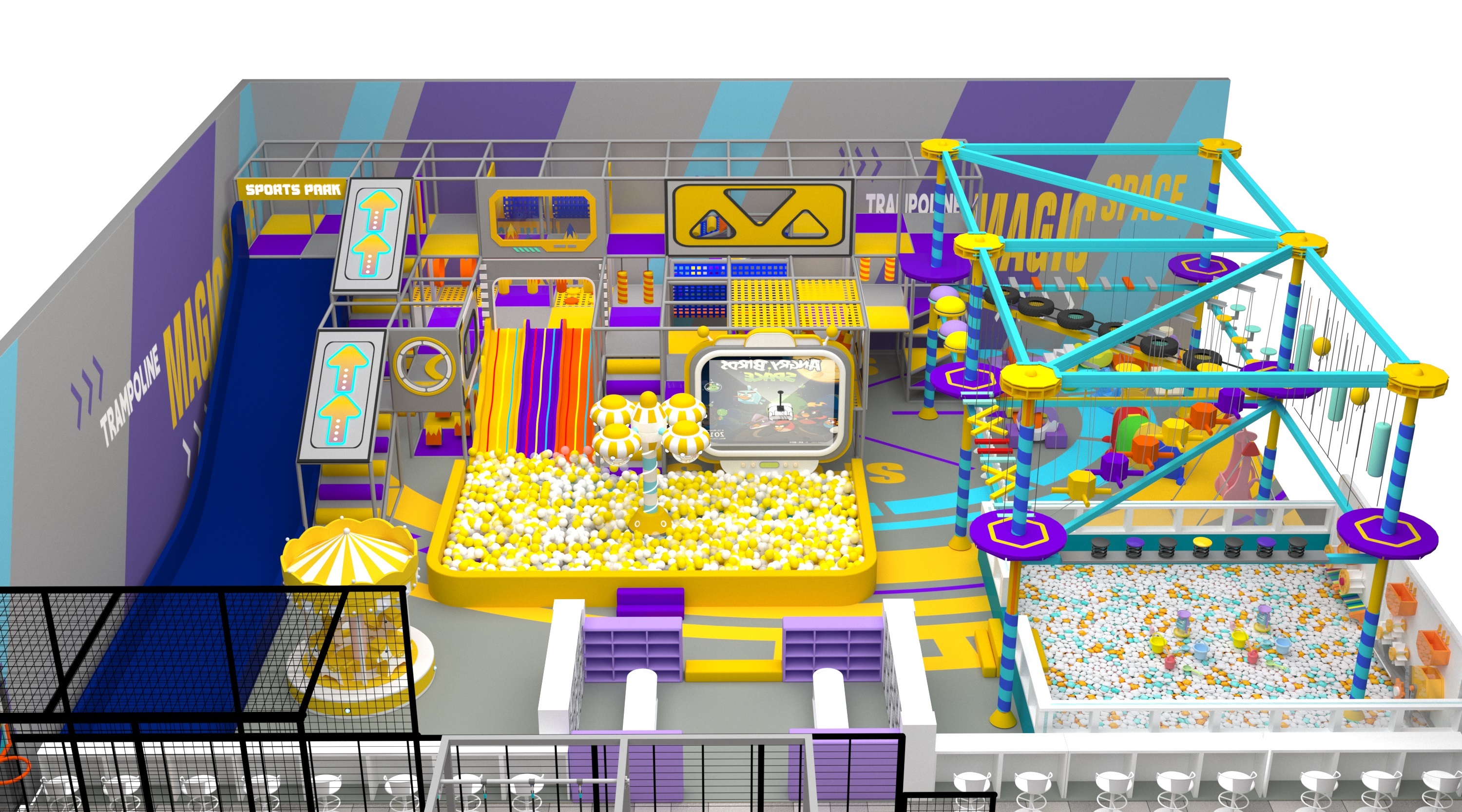
A precise budget isn't a guess; it's built from a detailed plan. The right manufacturing partner provides more than equipment—they provide clarity. They help you design an efficient layout that maximizes revenue per square foot and avoids costly rework. They deliver a complete, integrated attraction package with predictable pricing, helping you control your largest capital variable.
Ready to move from a rough estimate to a detailed, actionable financial model for your project? Let's connect. We can provide a preliminary layout and capital expenditure breakdown tailored to your specific market and vision.
